 Login / Register





May 15, 2026
How Vitamin C Helps Strengthen Your Immune System
Vitamin C for immunity is one of the most popular topics in staying healthy during the cold winters of New Zealand and this is quite understandable. It mainly helps the body to combat germs, heal tissues, and maintain the immune system functioning at its optimum level.
In fact, a large number of New Zealanders remain chronically deficient in vitamin C, which is not a good thing as the human body does not produce it and relies solely on dietary intake. Therefore, it’s necessary to increase vitamin C through food or supplements to maintain a robust immune system.
Let’s examine in detail about the benefits of vitamin C for immunity, why it’s vital, and ways of ensuring you consume plenty of it.
Vitamin C for Immunity: What the Science Says
Vitamin C; also known as ascorbic acid, is a water-soluble vitamin that your body cannot produce or store on its own. That means you need a fresh supply every single day through food or supplements.
Research consistently shows that vitamin C for immunity is far more than a marketing claim. It actively supports multiple layers of your immune system, both the innate (immediate) and adaptive (learned) responses.
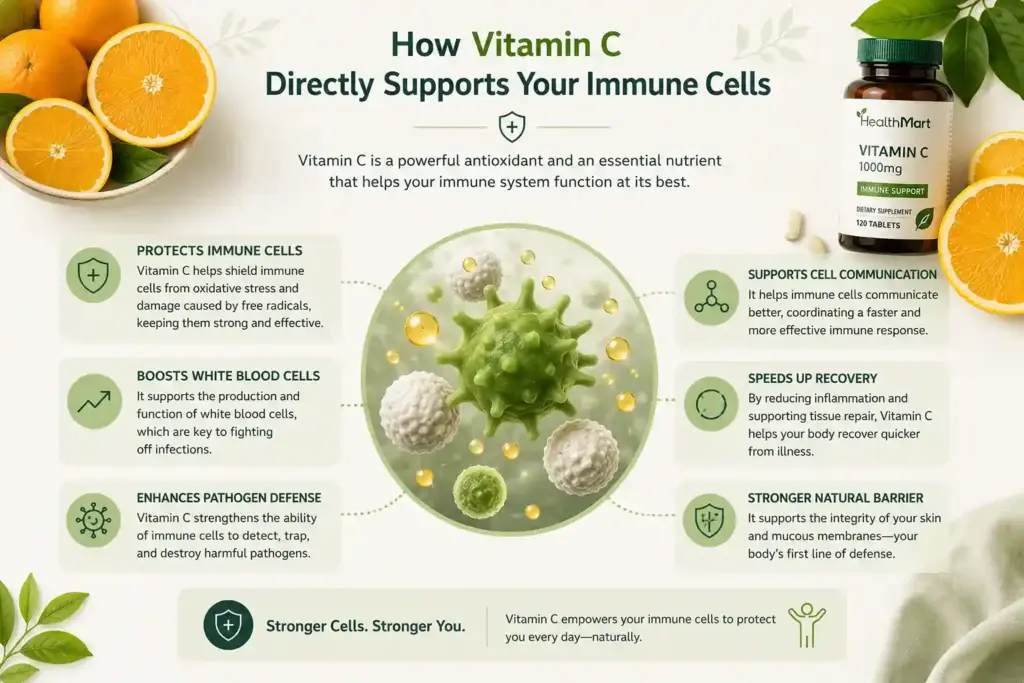
How Vitamin C Directly Supports Your Immune Cells
Vitamin C is concentrated in high amounts inside immune cells. This is one of the clearest signs of how central it is to immune function. Here’s what it does at a cellular level:
- Stimulates the production and function of white blood cells, including neutrophils and lymphocytes
- Helps white blood cells work more effectively and protects them from free radical damage
- Supports the skin’s barrier function; your body’s first physical line of defence
- Helps clear away old or damaged immune cells after an infection
When you’re fighting an infection, your body’s vitamin C levels drop rapidly. This is why supplementing during illness or before cold season makes practical sense.
Vitamin C and Cold Duration
One of the most cited benefits of vitamin C is its effect on the common cold. A comprehensive review found that regular vitamin C supplementation did not prevent colds in the general population; but it did reduce cold duration by around 8% in adults and 14% in children.
For people under heavy physical stress, such as marathon runners or those in extreme cold environments, vitamin C supplementation significantly reduced the risk of catching a cold altogether.
More Benefits of Vitamin C That Make It a Daily Essential
The benefits of vitamin C extend well beyond immune defence. It supports several body systems that contribute to overall health and resilience.
1. Powerful Antioxidant Support
Vitamin C is one of the most effective natural antioxidants available. Its antioxidant support works by neutralising free radicals, unstable molecules that damage cells and accelerate ageing and disease.
Oxidative stress is linked to chronic diseases including heart disease, diabetes, and certain cancers. A regular supply of vitamin C helps keep oxidative damage in check.
2. Collagen Production and Tissue Repair
One of the most important benefits of Vitamin C is its role in collagen synthesis. Collagen is essential for wound healing, skin integrity, joint health, and the health of blood vessels.
Without enough vitamin C, wounds heal more slowly and connective tissue becomes fragile. Historically, severe deficiency led to scurvy, a condition now rare, but a reminder of how essential this vitamin is.
3. Iron Absorption
Vitamin C significantly improves the absorption of non-haem iron, the type found in plant foods like spinach, lentils and tofu. Pairing vitamin C-rich foods with plant-based iron sources is a simple and effective nutritional strategy.
This is particularly relevant for vegetarians and vegans, who rely on plant-based iron and may absorb less than those who eat meat.
Best Food Sources for Daily Immune Health
Getting your vitamin C for immunity from whole foods is the best first step. New Zealand’s produce section is actually a great starting point:
- Kiwifruit: one of the richest sources of vitamin C available, with a single fruit providing well over your daily needs
- Capsicum (red and yellow): higher in vitamin C than most citrus fruits
- Broccoli and Silverbeet: excellent vegetable sources
- Oranges and Mandarins: the classic choice, especially in winter
- Strawberries and Feijoas: seasonal NZ favourites with a solid vitamin C content
Vitamin C is heat-sensitive, so lightly cooking or eating vegetables raw helps preserve more of its content. Steaming is a better option than boiling.
When to Consider a Supplement
Diet doesn’t always cover every base. If your fruit and vegetable intake is inconsistent, a quality immune health supplement can fill the gap. Vitamin C supplements are widely available, well-tolerated, and affordable.
Look for supplements providing 500–1000mg per day for general immune support. Higher doses may be recommended in specific situations, but always check with your GP first.
At HealthMart, you’ll find a range of vitamin C supplements and immune health products chosen to support everyday Kiwi wellbeing.
How Much Vitamin C Do You Actually Need?
The recommended daily intake for adults in New Zealand is 45mg per day, a relatively modest amount easily achieved through diet. However, many health experts suggest higher intakes for improving immune functions particularly during illness or periods of stress.
The tolerable upper intake level is 1000mg per day for adults. Going beyond this regularly may cause digestive discomfort, but toxicity is uncommon given that excess vitamin C is excreted in urine.
- General immune support: 200–500mg daily
- During illness or high stress: up to 1000mg daily
- Smokers need approximately 35mg more per day due to increased oxidative stress
Consistent daily intake is more effective than large, infrequent doses. Because vitamin C is water-soluble, splitting your intake across two smaller doses throughout the day improves your body’s ability to use it for antioxidant support and immune defence.
Build a Stronger Immune System, One Daily Dose at a Time
Vitamin C is one of the simplest, most effective ways to support your immune health every day. Whether through fresh food or a reliable supplement, getting enough consistently is what counts.
HealthMart offers a trusted selection of vitamin C supplements and immune health products; all carefully chosen to support the health of everyday New Zealanders.
Conclusion
Vitamin C for immunity isn’t just a cold-season afterthought. It’s a daily essential that supports white blood cell function, provides powerful antioxidant support, aids collagen production, and helps keep your whole body in better shape.
The good news is that getting enough doesn’t have to be complicated. Load up on fresh fruit and vegetables, and consider a quality supplement if your diet falls short.
Small, consistent choices around your immune health add up over time. Start with vitamin C; it’s one of the easiest wins you can give your body.
Frequently Asked Questions:
How does vitamin C for immunity actually work?
Vitamin C stimulates white blood cell production, protects immune cells from oxidative damage, and strengthens the skin barrier; all key parts of your body’s immune defence system.
What are the main benefits of vitamin C for the body?
Key benefits of vitamin C include immune support, antioxidant protection, collagen production, improved iron absorption, and faster wound healing. It supports multiple body systems simultaneously.
Can vitamin C prevent you from getting sick?
Vitamin C cannot fully prevent illness, but it may reduce cold duration and severity. For people under physical stress, regular intake can lower the risk of infection.
How much vitamin C should I take daily for immune health?
Adults generally need 45mg daily as a minimum. For immune health, 200–500mg daily is commonly recommended. During illness or stress, up to 1000mg may be appropriate — check with your GP.
What foods are highest in vitamin C in New Zealand?
Kiwifruit, red capsicum, broccoli, oranges, feijoas, and strawberries are among the best local sources. Eating them fresh or lightly steamed preserves the most vitamin C.
Is it better to get vitamin C from food or supplements?
Whole food sources are ideal as they come with additional nutrients and fibre. Supplements are a practical backup when dietary intake is inconsistent or during periods of higher immune demand.